

Table Of Contents 1 What Does Being Sedated at the Dentist Actually Involve? 2 What Are the Main Ways to Be Relaxed for Treatment? 3 How Does Intraven
Dental Sedation Bradford
09th Aug 2026
Table Of Contents
Dental sedation uses medication to help anxious patients undergo treatment calmly and comfortably. At Eccleshill Dental in Bradford, we provide intravenous sedation, known as IV sedation, which is the most effective and reliable form of conscious sedation used in UK dental practice. Under IV sedation you remain conscious and able to respond to your dentist, but you feel deeply relaxed and typically remember little of the treatment afterwards. A local anaesthetic keeps the procedure completely pain-free. Because the sedative affects you for several hours, you must be escorted home by a responsible adult and must not drive for 24 hours.
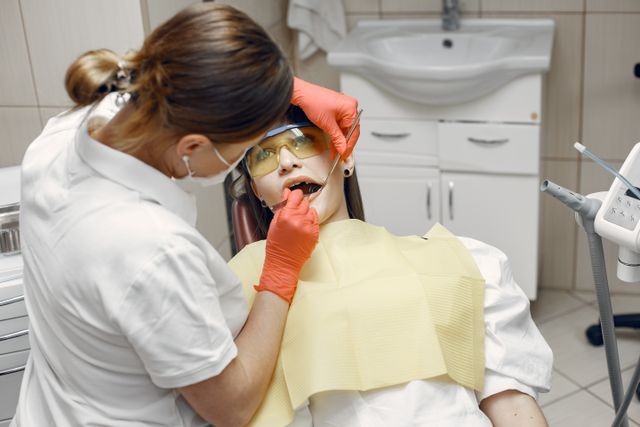
What Does Being Sedated at the Dentist Actually Involve?
Conscious sedation involves the use of a sedative medication to produce a relaxed, calm state during dental treatment, while you remain conscious and able to respond to your dentist throughout. It is defined in UK clinical guidance as a technique carrying a wide enough margin of safety that loss of consciousness is unlikely.
Conscious sedation is quite different from general anaesthesia. Under general anaesthesia you are fully unconscious and need breathing support. Under conscious sedation you stay awake, breathe on your own, and keep verbal contact with the dental team at all times. The purpose is not to put you to sleep but to lift the anxiety that makes treatment difficult, so that care you may have been putting off becomes manageable.
Sedation is particularly valuable for patients with significant dental anxiety or a dental phobia, those with a strong gag reflex, and anyone facing a longer or more complex procedure. It works alongside a local anaesthetic rather than replacing it, so the area being treated is fully numbed while the sedation keeps you relaxed. If dental fear has kept you away from the chair, sedation offers a way back to the care your teeth need.
What Are the Main Ways to Be Relaxed for Treatment?
There are three main methods of conscious sedation in UK dentistry: intravenous sedation given through a vein, oral sedation taken as a tablet, and inhalation sedation breathed in as a gas. Eccleshill Dental provides IV sedation, the most reliable and controllable option, and the other methods are described here for comparison.
Intravenous sedation: A sedative is delivered directly into a vein through a fine cannula, usually in the back of the hand or the forearm. It acts quickly, can be adjusted precisely during treatment, and produces the deepest and most reliable level of conscious sedation. This is the method we offer at Eccleshill Dental.
Oral sedation: A sedative tablet is taken before the appointment. It is simple to take and avoids a needle, but the effect is slower to begin, cannot be adjusted once taken, and is generally milder and less predictable than the intravenous route.
Inhalation sedation: A mixture of nitrous oxide and oxygen, sometimes called happy air or laughing gas, is breathed in through a small nose mask. It is the mildest option, wears off quickly, and is often used for milder anxiety.
During your consultation, your dentist discusses your level of anxiety, the treatment you need, and your medical history before confirming that IV sedation is suitable and explaining exactly what to expect.
How Does Intravenous Relaxation Work During Treatment?
A fine tube called a cannula is placed into a vein in the back of your hand or forearm, and a sedative medication is given through it. It is a short-acting sedative that produces deep relaxation within about 60 to 90 seconds. The dose is built up gradually and tailored to your response.
The sedative works by enhancing the effect of a natural calming signal in the brain, producing rapid and reliable relaxation. Because it is given directly into the bloodstream, it takes effect quickly, and your dentist can add small amounts gradually until you are comfortably relaxed. This gradual, tailored approach is called titration, and it means the level of sedation is matched to you rather than to a fixed dose.
A helpful feature of this sedative is that it usually causes a degree of memory loss for the period of treatment. Most patients recall very little of the procedure afterwards, and many describe time as having passed very quickly. This is often a relief for anxious patients, who avoid building up further difficult memories of dental treatment. A numbing cream is applied before the cannula is placed, so the needle is barely felt.
Will You Be Unconscious or Aware Throughout?
You remain conscious throughout IV sedation. You are able to breathe on your own, keep your airway open, and respond to your dentist. What changes is your perception: you feel deeply relaxed and detached from the treatment, and the memory-loss effect means most patients remember little or nothing of the procedure afterwards.
Some websites describe IV sedation as sleep dentistry or twilight sleep. These terms are misleading, because they suggest you are unconscious, which is not the case with conscious sedation. You stay awake and responsive throughout, even though you may feel as though you have drifted through the appointment.
The combination of feeling deeply relaxed and remembering little is what makes IV sedation so effective for anxious patients. You are aware enough to cooperate with your dentist and to respond if asked, yet detached enough that the sights, sounds, and sensations that normally cause anxiety no longer trouble you. For many people who have avoided treatment for years, this is the difference that finally allows them to proceed.
Is Being Sedated Safe?
Yes. IV sedation has an excellent safety record when administered by a sedation-trained clinician in a properly equipped practice. Throughout treatment, your blood pressure, pulse, and oxygen levels are continuously monitored using the same kind of equipment used in hospitals. Serious complications are rare when sedation is delivered to UK clinical standards.
The sedative we use has been used safely in UK dental practice for decades. Its safety comes from the careful, monitored way it is delivered. Before sedation begins, your dentist measures your baseline blood pressure, pulse, and oxygen levels. Throughout the procedure, these are watched continuously using painless monitoring devices, so any change is noticed and managed immediately.
As with any medical procedure, there are some risks, although they are rare. These can include a temporary drop in oxygen levels or effects on breathing or heart rate, which is precisely why continuous monitoring and a sedation-trained team matter. The practice is equipped to manage such situations, and the sedative used can be reversed with medication if needed. This is why sedation should only ever be provided by clinicians with specific postgraduate training in sedation, as it is at Eccleshill Dental.
Which Option Is Strongest, and How Do They Compare?
Intravenous sedation is the strongest and fastest-acting of the three methods. It offers the quickest onset and the greatest reduction in anxiety, which is why it is widely preferred for significant dental anxiety. Oral sedation tends to have fewer side effects but a slower, milder effect, while inhalation sedation sits between the two.
The comparison below explains why IV sedation is the preferred choice for significant anxiety.
| Method | Onset | Strength of effect | Best suited for |
|---|---|---|---|
| Intravenous | Fastest, around 3 to 4 minutes | Strongest and most controllable | Significant anxiety or phobia, complex or long treatment |
| Inhalation | Around 5 minutes | Mild, wears off quickly | Mild anxiety, routine treatment |
| Oral | Slowest, around 10 to 15 minutes | Mild to moderate, fewer side effects | Moderate anxiety, needle-averse patients |
IV sedation is generally the most effective at reducing anxiety, while oral sedation offers a gentler side-effect profile. For patients whose anxiety is severe enough to have kept them from the dentist, the speed, strength, and precise control of IV sedation make it the most dependable route to comfortable treatment.
Who Is Suitable for This Approach?
Most healthy adults are suitable for IV sedation. It is particularly helpful for people with significant dental anxiety or phobia, a strong gag reflex, or a need for complex or lengthy treatment. Some medical conditions and medications mean it may not be suitable, which your dentist checks carefully before recommending it.
IV sedation is well suited to several situations. It helps patients whose anxiety or phobia would otherwise prevent them from accepting treatment. It helps those with a strong gag reflex, which sedation significantly reduces. It also makes lengthy or complex procedures, such as surgical extractions or implant placement, far more manageable by allowing them to be completed comfortably in fewer visits.
Suitability is always confirmed individually. At your consultation, your dentist reviews your full medical history and current medications, because some health conditions and certain medicines can make IV sedation less suitable. Where that is the case, your dentist will explain the reasons and discuss the alternatives available to you. Pregnancy, certain respiratory and liver conditions, and some medications are examples of factors that need careful assessment. This is why no one is sedated without a thorough prior check.
How Should You Prepare Before Your Appointment?
Arrange for a responsible adult to escort you home and stay with you for 24 hours. Eat normally but lightly beforehand unless your dentist advises otherwise, and avoid alcohol. Wear comfortable clothing with sleeves that roll up easily, remove nail varnish, and bring a list of your regular medications. Your dentist will give you personalised instructions.
Arrange your escort. You must have a responsible adult to take you home and stay with you for 24 hours. Without an escort, the sedation cannot go ahead. Your escort should not be responsible for caring for anyone else, such as young children, during that time.
Eating and drinking. Current UK guidance for conscious sedation does not normally require you to fast. Eat a light meal beforehand unless your dentist specifically tells you otherwise, and avoid large meals and alcohol. Your dentist will give you clear personal instructions.
Clothing and preparation. Wear comfortable clothing with sleeves that can be rolled up for monitoring and the cannula. Wear flat shoes, avoid make-up and nail varnish so your oxygen levels can be monitored accurately, and consider glasses rather than contact lenses.
Medications. Bring a current list of all your medications, and continue taking your regular prescriptions as normal unless your dentist advises otherwise.
Travel. Plan to travel home by private car or taxi with your escort, not on public transport.
What Happens on the Day, Step by Step?
On arrival, your dentist checks your blood pressure, pulse, and oxygen levels. A numbing cream is applied and a fine cannula placed in your hand or arm. The sedative is given gradually until you are relaxed, your treatment is carried out under local anaesthetic, and you then recover under supervision before going home with your escort.
Here is what to expect on the day at Eccleshill Dental:
Pre-treatment checks. Your dentist records your baseline blood pressure, pulse, and oxygen levels, and confirms your escort is present and that you are ready to proceed.
Placing the cannula. A numbing cream is applied to the back of your hand or your forearm, then a fine cannula is placed into a vein. The numbing cream means you should feel little or nothing.
Gradual sedation. The sedative is introduced slowly and built up in small amounts until you feel calm and comfortably relaxed. You remain conscious and able to respond throughout.
Your treatment. Once you are relaxed and the area is numbed with local anaesthetic, your dentist carries out the treatment. You will be monitored continuously the entire time.
Recovery. After treatment you rest in a recovery area under supervision until you are steady enough to leave. Your escort then takes you home.
The whole experience is designed to feel calm and unhurried. Because of the memory-loss effect, the treatment itself will likely seem to have passed in a few minutes, even if it took much longer.
What Is Recovery Like Afterwards?
You will feel drowsy and a little unsteady for the rest of the day, and your judgement may be affected for up to 24 hours. During that time you must not drive, cycle, operate machinery, drink alcohol, or make important decisions. Your escort should stay with you throughout. Most people feel back to normal the next day.
The effects of the sedative wear off gradually over the following hours, but they may not clear entirely for 24 hours. It is normal to feel sleepy, a little dizzy, or forgetful during this period. Rest at home for the remainder of the day, and let your escort look after you.
For the 24 hours after IV sedation, you should not drive a vehicle, ride a bicycle, operate machinery or household appliances, drink alcohol, or sign documents or make important decisions, as your judgement and coordination remain affected even once you feel recovered. If you have had a procedure such as an extraction, your dentist will also give you specific aftercare instructions for that treatment. You will be given a contact number in case you have any concerns once you are home. Most patients feel completely back to normal by the following day.
Which Treatments Can Be Carried Out Under Sedation?
Almost any dental treatment can be carried out under IV sedation. It is especially useful for procedures that anxious patients find difficult, such as tooth extractions, surgical procedures, and implant placement, and for longer treatments or several procedures completed in one visit. Even routine care can be provided under sedation for very anxious patients.
Sedation is most often used where anxiety or procedure complexity would otherwise be a barrier. A tooth extraction, particularly a surgical one, is a common example, as is implant placement or any longer course of treatment that benefits from being completed comfortably in a single visit. Sedation also helps patients with a strong gag reflex tolerate treatment that would otherwise be very difficult.
For patients whose anxiety is severe, even routine treatment such as fillings or a thorough examination and clean can be carried out under sedation, providing a way to restore oral health that fear had made impossible. If you have a dental emergency and are anxious about treatment, our team can discuss the options with you. Your dentist will always confirm which approach is right for your particular treatment and circumstances.
How Much Does Sedation Add to the Cost of Treatment?
IV sedation is an additional cost on top of the dental treatment itself, reflecting the sedation-trained clinician, the monitoring, and the additional appointment time involved. The exact cost depends on the length and complexity of your treatment and is confirmed following your consultation at Eccleshill Dental.
Because sedation requires specialist training, dedicated monitoring, and longer appointment times, it is charged in addition to the cost of the dental treatment being carried out. The amount varies according to how long and how complex the treatment is, as this affects the sedation time required.
At Eccleshill Dental, all costs are explained and confirmed before treatment begins, in line with our Fair Price Charter, so you will know exactly what to expect with no hidden charges. Finance options are available to help spread the cost of treatment, including sedation, into manageable monthly payments. For many anxious patients, sedation is what finally makes essential treatment achievable, and we are happy to discuss the cost openly at your consultation.
Why Choose Eccleshill Dental in Bradford for Sedation?
At Eccleshill Dental in Bradford, IV sedation is provided by a trained clinical team with continuous monitoring, following a thorough consultation to confirm it is right for you. We have long experience of caring for anxious and phobic patients, and we take the time to explain every step so you feel informed and in control.
We understand how real and how isolating dental anxiety can be, and we never judge anyone for how long it has been since their last visit. Our focus is on making treatment possible in a calm, supportive, and unhurried way. Before any sedation, we carry out a full consultation to review your medical history, discuss your anxieties, and confirm that IV sedation is safe and suitable for you.
Our wider support for anxious patients is set out on our nervous patients page, and sedation sits alongside the gentler measures we use to help people feel at ease. If it has been a long time since you last saw a dentist, a simple dental examination, with sedation if you need it, is a gentle place to begin. All costs are confirmed in advance under our Fair Price Charter, with finance options available.
Book a Sedation Consultation in Bradford
If dental anxiety has been keeping you from the treatment you need, IV sedation could be the answer. Contact our Bradford team to arrange a consultation, where we will discuss your concerns, review your medical history, and explain how sedation can make your treatment calm and comfortable. We are accepting new patients.
There is no need to feel embarrassed or to explain your fear in detail before you arrive. Simply let us know that you are an anxious patient when you get in touch, and we will take care of the rest. Taking that first step is often the hardest part, and our team is here to make everything that follows as easy as possible.
Call us: 01274 633 406
Email: info@eccleshilldental.com
WhatsApp: 07741 503259
Eccleshill Dental, Rillington Mead, Bradford BD10 0ED