


Gum Abscesses and Gum Boils – Causes, Symptoms, and Treatment Options

Sudden gum pain or swelling can be alarming, especially when it appears overnight. At Eccleshill Dental Bradford, one of the most common urgent problems we treat is a gum abscess, often described by patients as a “gum boil.” While painful, these infections can be treated safely and effectively with timely professional care.
As a private dentist Bradford residents trust, we regularly help patients manage urgent gum infections while protecting their long-term gum health.


What Is a Gum Abscess?

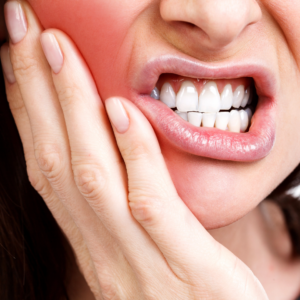
A gum abscess is a bacterial infection that leads to a pocket of pus forming within the dental gum. It often appears as a swollen, tender lump and may cause a bad taste if it drains.
Types of Gum Abscesses
● Gingival abscess – affects surface gum tissue, commonly due to trapped food

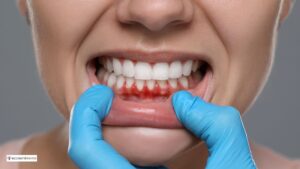
● Periodontal abscess – develops deeper near the tooth root, often linked to underlying gum diseaseRed, tender gums
What Causes a Gum Abscess?

Common causes include:
● Poor oral hygiene and plaque buildup

● Food debris trapped under the gum

● Injury to the gum tissue

● Complications after dental treatment

● Untreated gum disease

While many patients try gum disease treatment at home, professional care is essential once infection develops.

Signs and Symptoms of a Gum AbscessPainful swelling or gum boil

● Painful swelling or gum boil

● Red, tender gums

● Throbbing pain spreading to jaw or ear

● Bad breath or unpleasant taste

● Sensitivity when chewing

● Fever in more serious cases

Even if pain reduces suddenly, the infection may still be present.

Gum Boil vs Tooth Abscess
● Gum abscess: Starts in the gum tissue

● Tooth abscess: Begins inside the tooth pulp

A clinical exam at a trusted dental clinic is the only way to confirm the cause and choose the right treatment for gums.

How Dentists Treat Gum Abscesses?
Dental Practice At Eccleshill

At Eccleshill Dental Practice – our treatment include:

1. Draining the infection

2. Deep cleaning of the gum area

3. Antibiotics when necessary

4. Treating any underlying gum disease

5. Follow-up care to prevent recurrence

Patients searching for the best dental clinic near me often choose us for our calm approach and clear communication.


Also Read – How To Find The Right Dental Practice For You.


Can a Gum Abscess Heal on Its Own?

No. Gum abscesses do not fully heal without professional treatment. Delaying care increases the risk of infection spreading to nearby teeth or bone.
If you’re reading Bradford urgent dental centre reviews and looking for urgent care, early treatment is always the safest option.

What You Can Do While Waiting for an Appointment

● Rinse gently with warm saltwater

● Use over-the-counter pain relief if suitable

● Avoid pressing or popping the abscess

● Keep the area clean with gentle brushing

These steps can help comfort, but they are not a replacement for dental treatment.


Also Read – Periodontal (Gum) Disease – Causes, Symptoms, and Long-Term Treatment.


When Should You See a Dentist Urgently?

● Persistent swelling or pain

● Fever alongside gum infection

● Pus discharge

● Loose teeth

As a dentist in Bradford taking new patients, we offer timely care for urgent gum problems.

 Gum Health Support

If you’re experiencing a gum abscess or recurring gum infections, professional care is essential.
Learn more about our dental hygiene and gum health treatments here:

👉Explore our gum health and hygiene treatments: Visit HERE
Periodontal (Gum) Disease – Causes, Symptoms, and Long-Term Treatment

Gum disease often develops slowly and painlessly, which is why many people don’t realise there’s a problem until damage has already occurred. At Eccleshill Dental Bradford, we help patients protect their gum health through early diagnosis, education, and personalised care.

Untreated gum disease can lead to serious complications, including tooth loss and recurring gum abscesses.

What Is Periodontal (Gum) Disease?

Gum disease is a chronic infection of the tissues supporting the teeth, caused by plaque and bacteria. It affects the dental gum and, in advanced stages, the jawbone.

Stages of Gum Disease

  • Gingivitis – early and reversible
  • Periodontitis – advanced stage causing bone and tissue loss

Common Causes of Gum Disease

  • Inadequate brushing and flossing
  • Smoking or tobacco use
  • Irregular dental visits
  • Medical conditions such as diabetes
  • Genetic factors

Although many patients attempt gum disease treatment at home, professional care is essential once gum pockets form.

Signs and Symptoms of Gum Disease

  • Bleeding gums when brushing
  • Persistent bad breath
  • Gum recession
  • Tender or swollen gums
  • Loose teeth

If you’re searching online for gum disease treatment near me, these signs should prompt a professional assessment.

How Gum Disease Can Lead to More Serious Problems

Advanced gum disease creates deep pockets around the teeth, allowing bacteria to thrive. This can lead to:

  • Periodontal abscesses
  • Tooth loss
  • Jawbone damage

In severe cases, surgical procedures such as gum graft surgery may be recommended to restore lost tissue. Patients often ask about gum graft near me, and we guide them through all appropriate options.


Also Read –Why gum health is important and how to maintain it.


How Dentists Treat Gum Disease

Treatment is tailored to the stage of disease and may include:

  • Professional scale and polish
  • Deep cleaning (scaling and root planing)
  • Ongoing hygiene maintenance
  • Advice on effective home care
  • Surgical referrals when required

As a private dentist Bradford patients rely on, we explain all options clearly, including costs and long-term outcomes.

Preventing Gum DiseasePreventing Gum Disease

  • Brush twice daily with fluoride toothpaste
  • Clean between teeth daily
  • Attend regular dental check-ups
  • Maintain a balanced diet
  • Avoid tobacco

Routine visits help maintain strong gum health and prevent future problems.

Why Choose Eccleshill Dental Bradford?Patients choose us because we offer:

If you’re searching for the best dental clinic near me, our patient-centred approach makes us a trusted local choice.

When Should You Book a Gum Health Assessment?

  • Bleeding gums
  • Persistent bad breath
  • Gum recession
  • Loose teeth
  • Family history of gum disease

Early intervention can prevent the need for more complex procedures later.

Support for Healthy Gums

Healthy gums are the foundation of a healthy smile. If you’re concerned about gum disease or looking for effective treatment for gums, our dental hygiene team is here to help.

👉 Explore our gum health and hygiene treatments: Visit HERE

Why Gum Health Is Important and How to Maintain It

Many people make the mistake of believing that maintaining teeth health, i.e., keeping them free of plaque and snow-white – is all you need to ensure the best oral health. However, they often miss an important element of your overall oral health – the gums.

Here, we provide expert tips on how to improve gum health and how to identify poor gum hygiene or gum disease. Maintaining gum health is easier than you think, which can help you enjoy a happier, healthier life, without any health issues or pain.

Why Is It Important to Maintain Gum Health?

Gum Health Treatement

The gums are the mucosal tissue surrounding the tooth base, which provide a perfect seal over the tooth root to protect the teeth inside the oral cavity. The gums help support healthy tooth roots while preventing bacteria damage to the teeth that may lead to inflammation or other health issues.

What does that mean? Your gum health or dental care is directly associated with your overall oral health. Improper care of the gums may result in irritating or painful oral health issues – and the situation may even aggravate, if left unattended.

A common outcome of poor gum health is gum disease – the mild status of which is called gingivitis that may advance to a more serious condition, known as periodontitis. Gum disease happens due to imbalanced oral microbiome, i.e., good and bad bacteria in your mouth, resulting in oral health issues such as tooth loss and receding gums. Research has also shown potential links between gum disease and other health conditions like cardiovascular ailments, respiratory disorders and Alzheimer’s disease.

What Are Some Common Symptoms of Gum Disease?

Neglecting gum health may result in some specific symptoms which signify the beginning of gum disease, including:

  • Bleeding gums
  • Red or yellow gums
  • Inflamed or swollen gums

Eventually, other dental problems may arise, signifying gum disease, such as:

  • A bad taste in the mouth
  • Receding gums
  • Bad breath
  • Loose teeth

Also Read: How a Dental Health Examination Can Detect Early Signs of Teeth Diseases

Gum disease consequences can be grave, which may result in tooth decay accompanied by pain and other oral health problems. Therefore, it is important to take great care of the gums by maintaining gum and dental hygiene.

How to Improve Gum Health?

If you are wondering: “How to get healthy gums?”, the good news is that you just need to take some simple steps for naturally maintaining and enhancing your gum health. Luckily, these require little effort and can be integrated easily into your dental care regime, which can help you maintain a clean and healthy mouth.

Gum Health Treatement

  • Brushing Your Teeth Twice Daily: Brushing the teeth twice daily is one of the major steps towards maintaining and enhancing gum health. Consider using a fluoride toothpaste brand and a manual or electric toothbrush. Brush for a minimum of 120 seconds every time, covering each quadrant of the mouth for 30 seconds. You may also consider using a mouthwash. However, one should avoid using the same soon
    after brushing the teeth.
  • Cleaning between the Teeth: This has always been emphasised by dentists. Either using an interdental product such as Tepes or dental floss, cleaning between the teeth is a fantastic way to improve gum health. It removes plaque before it hardens and becomes tartar, which may result in gum disease.
  • Replacing Your Toothbrush: Replace your toothbrush every 1-3 months, or when it starts looking frayed. Also, use a brush with soft bristles to avoid injuring the delicate gum tissue.
  • Getting Regular Check-Ups and Cleaning: Regular check-ups mean potential issues can be diagnosed and prevented well before time. A dentist can help you to prevent gum diseases by removing plaque build-up in the mouth.

At Eccleshill Dental, we offer advanced gum treatments and general dental care, comprising dental hygiene checks and teeth cleaning. With flexible appointments to match busy schedules and gentle care for nervous patients, our dental professionals can help you maintain optimal gum health.

Other Ways to Ensure Superb Gum Health

In addition to the tips for healthy gums discussed above, there are some other measures you can take to maintain good gum health. For instance, some people make use of specific essential oils like clove or thyme oil, to ensure healthy gums and teeth. Besides, your lifestyle choices can hugely influence your oral health.

A Healthy Diet

Gum Health Treatement

Wondering how to make gums stronger naturally? Know that the food you consume can significantly affect gum health. Foods rich in some specific nutrients are known to promote gum health. The nutrients that might help preserve gum health are:

  • Vitamin C: Found in leafy greens, citrus fruit and berries
  • Vitamin B12: Found in eggs, milk, meat and fortified cereals
  • Omega-3 Fatty Acids: Found in fish and flaxseed oil

Moreover, there are some foods that may adversely impact gum health. Studies have shown that consuming too much of alcohol may damage the gums, disturbing the oral microbiome balance, which may lead to gum disease.

Also Read: Your Path to a Brighter Smile: Teeth Whitening Options for New Clients

Quitting Smoking

Smoking significantly raises your risk of developing gum diseases as smokers have greater likelihood to have bacterial plaque, which causes gum inflammation. Smoking results in oxygen deficiency in the blood, making it difficult for the infected gums to heal and increasing the risk of gum disease. As a matter of fact, smokers are twice more likely to have gum disease, compared to non-smokers.

Therefore, quitting smoking can remarkably improve your gum health while lowering the risk of gum disease. After quitting smoking, it is advisable to see a dentist for restorative teeth and gum health treatments.

Act Now to Improve Your Gum Health

Owing to the impact of gum health on our oral and physical well-being, it is super- important to keep one’s gums healthy. Follow the suggestions above and start priroitising your gum health today.

Need expert advice or a professional cleaning?

Visit Eccleshill Dental in Bradford for personalized gum health treatments and dental care. Our experienced team is dedicated to helping you achieve and maintain optimal gum health. Call us today at +44 1274 633406, or email info@eccleshilldental.com to book an appointment. We are here to help you keep your gums healthy and your smile bright!


How To: Make Tooth Brushing Enjoyable For Children!

Do you find tooth brushing time is difficult with your child/ren? Gaining cooperation with children can be difficult and it can be stressful for a parent. Here are some top tips to make tooth brushing time easier for the little ones!

Tooth brushing can be made fun, right?

Children may find tooth brushing boring which will lead to a loss in interest. Meaning they quickly become uncooperative. Children feed off energy and enjoy being surrounded in a positive environment. A child would be more open to spend time on toothbrushing if it was enjoyable for them. Praising a child for doing well is key to move them into continuous routine, but the question is, how? Encouraging good dental hygiene habits from an early age can help make tooth brushing a natural part of their routine, promoting better gum health treatments and preventing future dental issues.

How can I praise my child?

  • Sticker charts – This shows they are doing well so they are rewarded.
  • Treats – e.g. brush twice a day for 2 weeks and have a small treat. As time goes on children will fit into a routine you can extend the time period to monthly. Soon this will become second nature to them.
  • Allowing them to pick their own toothbrush and toothpaste. This will make children feel independent and excited to use their new toothbrush which they have picked. Flovaoured tooth paste will also ensure that the flavour is not a reason to be put off at brushing time!

Gaining Trust.

Brushing you child’s teeth has to be made enjoyable for them. Brushing twice a day for 2 minutes is ideal. So maybe try brushing to their favourite song, a flavoured toothpaste, a character toothbrush of their choice or brushing with a cuddly toy. Children like to teach and be in charge, so allow your child to teach you or their toy th best ways to brush!

Also Read: Interdental Brushes Or Floss. Which Works Best For Me?

Children are influenced!

Children trust their parents and are influenced by their actions. Have you ever noticed your child copying something you do? That’s because they know your actions are right so they are influenced by them. Why not brush your teeth as you little one do there’s! This will get them into a routine and will try copying your techniques.

Interacting with children.

Let them brushing your teeth! and then you can brush theres. This is something a lot of parents do to ensure the teeth are getting cleaned as well as possible. Youtube have some fantastic videos with characters, songs and ryhmes children will enjoy. The videos are designed to last as long as toothbrushing should, this is so children get into a routine of brushing for 2 minutes twice a day and still find it fun and exciting. Only play the video at brushing times, so they relate the song to brusing their teeth.

It is important that children are engaging from a young age so as soon as you see a little tooth come through, introduce a toothbrush to them!

If your little one is over 12 months old, get them booked in with the dentist so they can get used to the dental environment!

Tel – 01274 633 406