


The Magic In Your Smile: 10 Ways Smiling Benefits Your Health and Happiness

They say that there is magic in a smile, and we can’t deny the warmth we feel when we’re on the receiving end of a glowing grin. Nonetheless, smiles haven’t always been considered fashionable. A US study reviewing smiles in photographs was carried out by researchers at the University of California, Berkeley, and Brown. The study showed that in the early 1900’s, smiling was anything but on-trend, with a preference for pensive, serious poses in front of the camera.


high-school-yearbook-photos-today-151201-men_dfc129d3757e107d05f180c87b99ca79
(image of smiles from the early 1900’s to 2010’s, taken from the Washington Post)


Luckily for us today, a smile is considered our most beautiful asset. Research today indicates that smiling is just plain good for you. And with many a good reason:

1. We all smile in the same language

Smiling is the universal symbol for happiness. Many gestures have different meanings across different societies. However, no matter where you are in the world, a smile is a symbol of warmth.

2. Smiling can extend your life

A 2009 US study into major league baseball players in the 1950’s showed that players who smiled more, lived up to 7 years longer than players who did not. The study conducted by Ernest L. Abel and Michael L. Kruger indicated that people who smiled more, actually lived longer, happier, and more stable lives. Biochemist Sondra Barrett states that when we smile, we reduce the rigidness of our cells, and this physical relaxation can reduce the risk of stress-induced cell mutations that can lead to the development of certain cancers.

Also Read: Achieve Your Dream Smile: All You Need to Know about Smile Makeovers

3. Smiling reduces stress and lowers blood pressure

We are all familiar with the stress life throws at us, and the toll it takes on the human body. Studies have shown that the heart recovers more quickly from stress in subjects that smile, as opposed to subjects that are asked to hold a straight face. So the next time you are feeling your blood boil, remember that a simple smile might the help you were looking for.

4. Smiling can lift your spirits

Many people think that smiling is just a result of being happy. What many of us don’t realise is that smiling can actually make us happier! Our facial expressions do not just communicate our mood, but influence it as well. Recent studies into facial expressions have shown that a person’s mood aligns strongly with the emotion his or her face is communicating. So think happy thoughts, smile, and your mood will smile too.

5. Your smile has the power to heal everyone – not just you!

Smiles are contagious (and no, it’s not just a saying). Research conducted as part of a study in Sweden indicated that people had difficulty frowning when looking at other subjects who were smiling. Many of the subjects’ facial muscles involuntarily formed into a smile. So spread that joy and share a smile today.

Photo-26-02-2018-10-00-17-1024x683

6. You were doing it before you were born

Many babies start smiling regularly at around 6 weeks old, but studies show that smiling begins in the womb. Smiling is in fact hard-wired into our genes, rather than an entirely learned behaviour.

7. Smiling can benefit your career

Facial expressions have a big impact on first and future impressions. This is particularly important in our professional lives. People who smile are more likely to be remembered. Furthermore, the smilers of the workplace are considered more approachable, and have better success in social and professional interactions. So a smile may just be the key to that long sought after promotion!

Also Read: 4 Ways Your Dental Care is More Affordable Than You Think

8. Smiling makes us look younger

Smiling exercises anywhere between 5 and 53 muscles in the face. With all this muscular exertion, the skin stays firm and taut, aiding youthfulness and vitality. Who knew a face lift could be so easy.

9. Smiling makes you seem more approachable and trustworthy

Your smile communicates more than you may realise. An authentic smile goes a long way. A 2004 Penn University study found that authentic smiles shared by employees in the service industry influenced their impressions on customers in a positive way. The study also showed that we are much more likely to trust someone with a smile, than someone with a neutral expression, or worse still – a frowner!.

Also Read: If you’re experiencing tooth pain that’s affecting your smile, check out the signs you need a root canal.

Photo-26-02-2018-10-00-44-1024x680

10. Smiling heals the body and the soul

Endorphins (the feel-good chemicals released by the brain) help us feel better when we are in pain. Studies show that people who smile and laugh experience less pain than those who do not. A further study indicated that people diagnosed with immune diseases showed signs of recovery more quickly when they spent more time laughing and smiling.

We have never felt more like smiling! Don’t let your teeth be a barrier to a happier, healthier life. A smile makeover can help you achieve the smile you have always dreamed of. If you’re considering straightening your teeth, you may also be wondering does Invisalign hurt? Let us find your smile!

The Magic In Your Smile

Why Gum Health Is Important and How to Maintain It

Many people make the mistake of believing that maintaining teeth health, i.e., keeping them free of plaque and snow-white – is all you need to ensure the best oral health. However, they often miss an important element of your overall oral health – the gums.

Here, we provide expert tips on how to improve gum health and how to identify poor gum hygiene or gum disease. Maintaining gum health is easier than you think, which can help you enjoy a happier, healthier life, without any health issues or pain.

Why Is It Important to Maintain Gum Health?

Gum Health Treatement

The gums are the mucosal tissue surrounding the tooth base, which provide a perfect seal over the tooth root to protect the teeth inside the oral cavity. The gums help support healthy tooth roots while preventing bacteria damage to the teeth that may lead to inflammation or other health issues.

What does that mean? Your gum health or dental care is directly associated with your overall oral health. Improper care of the gums may result in irritating or painful oral health issues – and the situation may even aggravate, if left unattended.

A common outcome of poor gum health is gum disease – the mild status of which is called gingivitis that may advance to a more serious condition, known as periodontitis. Gum disease happens due to imbalanced oral microbiome, i.e., good and bad bacteria in your mouth, resulting in oral health issues such as tooth loss and receding gums. Research has also shown potential links between gum disease and other health conditions like cardiovascular ailments, respiratory disorders and Alzheimer’s disease.

What Are Some Common Symptoms of Gum Disease?

Neglecting gum health may result in some specific symptoms which signify the beginning of gum disease, including:

  • Bleeding gums
  • Red or yellow gums
  • Inflamed or swollen gums

Eventually, other dental problems may arise, signifying gum disease, such as:

  • A bad taste in the mouth
  • Receding gums
  • Bad breath
  • Loose teeth

Also Read: How a Dental Health Examination Can Detect Early Signs of Teeth Diseases

Gum disease consequences can be grave, which may result in tooth decay accompanied by pain and other oral health problems. Therefore, it is important to take great care of the gums by maintaining gum and dental hygiene.

How to Improve Gum Health?

If you are wondering: “How to get healthy gums?”, the good news is that you just need to take some simple steps for naturally maintaining and enhancing your gum health. Luckily, these require little effort and can be integrated easily into your dental care regime, which can help you maintain a clean and healthy mouth.

Gum Health Treatement

  • Brushing Your Teeth Twice Daily: Brushing the teeth twice daily is one of the major steps towards maintaining and enhancing gum health. Consider using a fluoride toothpaste brand and a manual or electric toothbrush. Brush for a minimum of 120 seconds every time, covering each quadrant of the mouth for 30 seconds. You may also consider using a mouthwash. However, one should avoid using the same soon
    after brushing the teeth.
  • Cleaning between the Teeth: This has always been emphasised by dentists. Either using an interdental product such as Tepes or dental floss, cleaning between the teeth is a fantastic way to improve gum health. It removes plaque before it hardens and becomes tartar, which may result in gum disease.
  • Replacing Your Toothbrush: Replace your toothbrush every 1-3 months, or when it starts looking frayed. Also, use a brush with soft bristles to avoid injuring the delicate gum tissue.
  • Getting Regular Check-Ups and Cleaning: Regular check-ups mean potential issues can be diagnosed and prevented well before time. A dentist can help you to prevent gum diseases by removing plaque build-up in the mouth.

At Eccleshill Dental, we offer advanced gum treatments and general dental care, comprising dental hygiene checks and teeth cleaning. With flexible appointments to match busy schedules and gentle care for nervous patients, our dental professionals can help you maintain optimal gum health.

Other Ways to Ensure Superb Gum Health

In addition to the tips for healthy gums discussed above, there are some other measures you can take to maintain good gum health. For instance, some people make use of specific essential oils like clove or thyme oil, to ensure healthy gums and teeth. Besides, your lifestyle choices can hugely influence your oral health.

A Healthy Diet

Gum Health Treatement

Wondering how to make gums stronger naturally? Know that the food you consume can significantly affect gum health. Foods rich in some specific nutrients are known to promote gum health. The nutrients that might help preserve gum health are:

  • Vitamin C: Found in leafy greens, citrus fruit and berries
  • Vitamin B12: Found in eggs, milk, meat and fortified cereals
  • Omega-3 Fatty Acids: Found in fish and flaxseed oil

Moreover, there are some foods that may adversely impact gum health. Studies have shown that consuming too much of alcohol may damage the gums, disturbing the oral microbiome balance, which may lead to gum disease.

Also Read: Your Path to a Brighter Smile: Teeth Whitening Options for New Clients

Quitting Smoking

Smoking significantly raises your risk of developing gum diseases as smokers have greater likelihood to have bacterial plaque, which causes gum inflammation. Smoking results in oxygen deficiency in the blood, making it difficult for the infected gums to heal and increasing the risk of gum disease. As a matter of fact, smokers are twice more likely to have gum disease, compared to non-smokers.

Therefore, quitting smoking can remarkably improve your gum health while lowering the risk of gum disease. After quitting smoking, it is advisable to see a dentist for restorative teeth and gum health treatments.

Act Now to Improve Your Gum Health

Owing to the impact of gum health on our oral and physical well-being, it is super- important to keep one’s gums healthy. Follow the suggestions above and start priroitising your gum health today.

Need expert advice or a professional cleaning?

Visit Eccleshill Dental in Bradford for personalized gum health treatments and dental care. Our experienced team is dedicated to helping you achieve and maintain optimal gum health. Call us today at +44 1274 633406, or email info@eccleshilldental.com to book an appointment. We are here to help you keep your gums healthy and your smile bright!


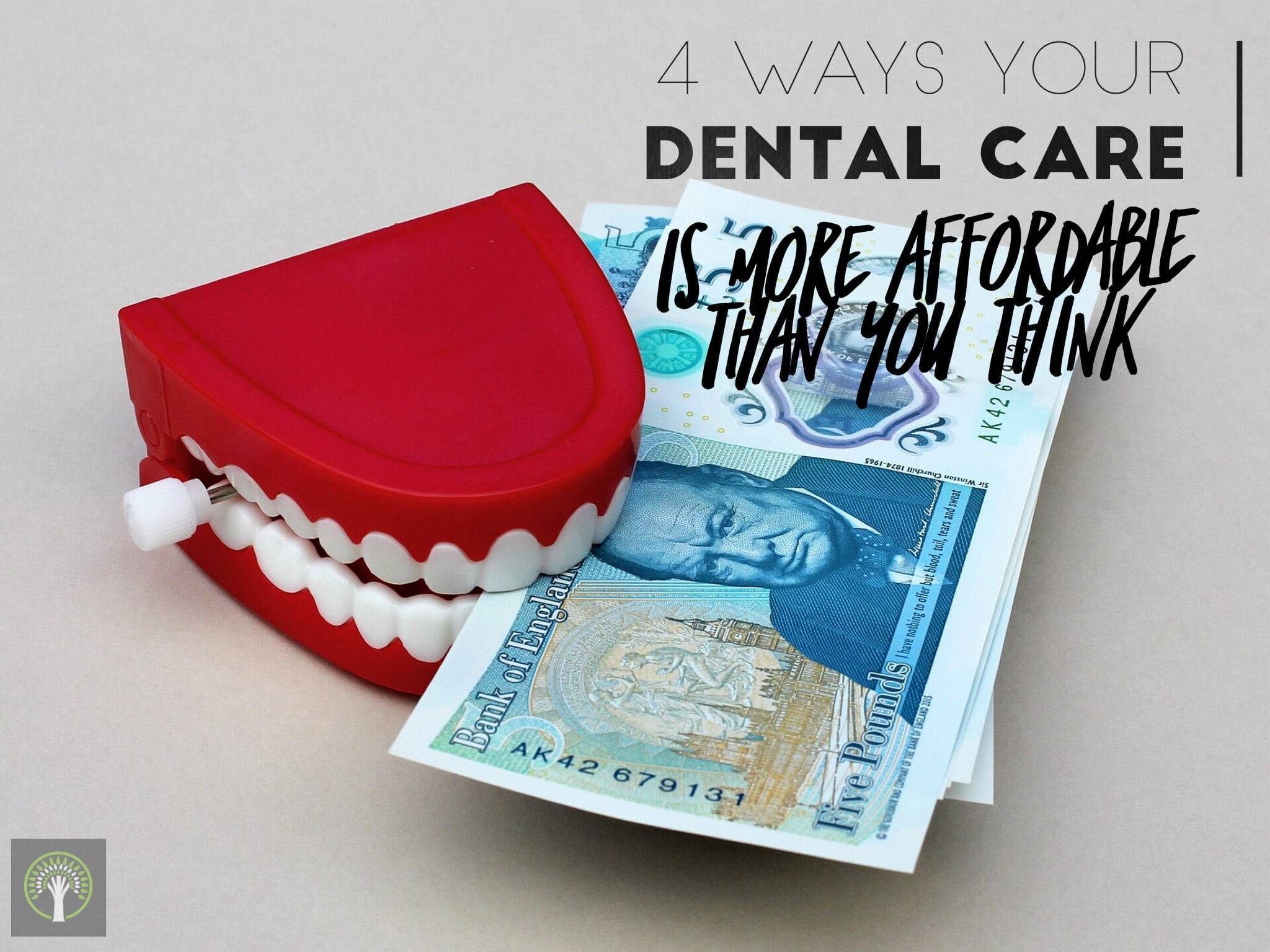
4 Ways Your Dental Care is More Affordable Than You Think

When was the last time you visited the dentist for a regular dental health check and hygiene appointment? You’re probably busy worrying about your family, work, finances, and array of other concerns and stresses. You might consider a trip to the dentist as more of a luxury, or something you’ll get to when your life (and your finances) settle down a bit. Does this sound familiar?

Unfortunately, good dental health isn’t a luxury, it’s a necessity. A recent UK survey found that 54% of adults over the age of 16 had moderate signs of periodontal (gum) disease, the leading cause of tooth loss. The only available treatment (which believe it or not, reduces the need for more costly procedures later down the line) is regular trips to your dentist/hygienist. Like most people, you may know these things, but you still hesitate to pick up the phone to book an appointment. Why? You expect those dental visits to be costlier than you can afford.

At Eccleshill Dental, your dental health could be more affordable than you think. We’ve compiled a list of important things to consider:

How much do you value your smile?

When it comes to your health and appearance, the value you place upon them is a very personal decision. Most of us take these things for granted, and what we don’t stop to consider is how we will feel in the longer-term, when our health and appearance start to deteriorate. It is quite often at this late stage (where procedures are much more expensive), that people choose to take action.

Also Read: How To Find The Right Dental Practice For You

What is the cost?

Consider that the average British household spends 6.5% of their annual income on coffee, 3.7% on clothes, and 1.4% on alcohol. The cost of your routine dental care (based on two dental health checks and two hygiene appointments per year) is only 0.6% of an average household budget. That’s less than 1%!

Find out if you have insurance

Surprising as it might seem, there are many of us that don’t realise we have access to dental insurance, perhaps through an employer or through a policy we have taken out in the past. If you have dental insurance that is not being used, then you will be missing out on an array of benefits. Many insurance companies allow you to claim back 50-100% of the cost of your dental bill (dependent on the treatment type). Many insurance policies cover routine dental care and treatment, which allow you to plan for your future dental needs. Policies which offer emergency and worldwide cover allow you to plan for any unexpected dental accidents at home or abroad. If you don’t yet have dental insurance, take some time to shop around online. There are many different insurance schemes available, each with different benefits.

No insurance? We’ve got you covered!

At Eccleshill Dental, we offer a variety of different payment methods to suit your needs, from 0% finance, to tailored payment plans. Many of our patients opt to join one of our affordable membership plans, which for a small monthly fee, offer a range of fantastic benefits.

We believe that everyone should be able to afford excellent dental care, which is why we pride ourselves on delivering fantastic services at affordable prices. If you would like any further information on our practice, services, fees, or payment methods, why not give us a call on 01274 633406.


A Practical Guide To Overcoming Dental Anxiety

‘Dentophobia’, or a fear of the dentist, is extremely common. Statistics suggest that around 12% of us suffer from extreme dental anxiety. The British Dental Association says that 25% of the UK population suffer from some sort of anxiety before visiting the dentist. We suspect that number is a lot higher.

The most common thing we encounter in our nervous patients is shame and embarrassment. Your phobia is nothing to feel ashamed and embarrassed about. It is a very rational reaction to fear, pain, or a previous bad experience, and it much more common than you think.

Nonetheless, this can have a very damaging effect on your long-term health. Dental phobics tend to live with toothache, infections, bleeding gums, and bad breath. Many people are so embarrassed about the appearance of their teeth, that they go several years without smiling. Only when the pain/appearance of the teeth becomes unbearable, do they realise that a trip to the dentist is unavoidable.

Also Read: The Magic In Your Smile: 10 Ways Smiling Benefits Your Health and Happiness

Across dentistry as a whole, phobias are now being treated as a manageable condition. There are structured methods in place to help you get through your dental appointment with minimal discomfort, both physically and emotionally. At Eccleshill Dental, we take this very seriously. Here are the practical steps we encourage you to take, to make your visits more manageable:

  1. Talk to us

As with any phobia, the most important step to overcoming your fear is to identify the source of the problem. It may have been a bad experience at the school dentist, an uncomfortable injection, or even a horror story that you heard elsewhere. Whatever the reason, the most important step is to identify this. At Eccleshill Dental, we encourage you to talk to us about your fears and feelings. All new patients are invited to meet with our patient care coordinator, who will have a relaxed discussion with you in a comfortable setting. We take the time to get to know you and understand your fears. We will take whatever steps we need to help you overcome your anxieties, and our patient coordinator is available to support you through each of your appointments.

  1. Headphones

Plenty of patients report that their biggest fear is the sound of the dental drill. Many people choose to bring in some music and their headphones, which they listen to throughout their treatment. This is a simple and easy method to reduce your anxiety, and get you through your dental appointment.

  1. Topical anaesthetic gel

For those of you who are scared of the dental needle, did you know we offer topical anaesthetic gel? Topical gel is applied to the gum before your injection is administered, making it much more comfortable.

Also Read: How To Find The Right Dental Practice For You

  1. Stagger your treatment

We understand for many phobic patients, a bigger treatment plan can be quite overwhelming (if not downright off-putting). We encourage patients to stage their treatment in a way that best suits their needs. Starting out with easier, simpler treatments and working your way up to more comprehensive treatment can be a great way to ease yourself into your dental care.

  1. Sedation

Sedation treatment is an option for patients who are simply unable to cope with treatment, or may be struggling with the idea of something such as an extraction. Speak to your dentist about your sedation options. This may be available at your practice, or your dentist may be able to facilitate your referral to a sedation dentist for treatment.

  1. Trust us

We will do the hard work. All you need to focus on is getting yourself through the door. This is the hardest step. Once you have done that, we will take care of the rest.  We pride ourselves on taking every step we can to ensure your visit is as comfortable as possible.

At Eccleshill Dental, patients are encouraged to relax and feel a part of the family from the moment they step through the door. We are proud to have helped many of our patients overcome a life-long dental phobia, and we hope to help many more people on that journey. Don’t let your anxiety be a barrier to a happier, healthier smile – let us help you today.

To book your complimentary consultation with our patient care coordinator (or for some free, friendly advice) email rachel@eccleshilldental.com.


How To Find The Right Dental Practice For You

Bradford and Leeds are fortunate enough to have many dental practices. But with so many dentists and options,

how do you know which Bradford and Leeds dental practice is right for you?

There is no definitive answer to this question, and as individuals, we all have different needs. A cosmetic dental practice might be a great option for someone looking for a Hollywood smile, but is this dental practice suitable for an anxious patient who is concerned about a broken tooth?

We have put together a list of useful tips on how to find the best dentist for you. Whilst there is no magic solution to this question, these tools will help you narrow the list and make an informed decision.

Tips for choosing the best Bradford and Leeds dentist for you:

  1. Set Priorities

Before selecting your dentist, think about what you want out of the experience, and what matters most to you. What is an absolute priority to one patient, is not necessarily to the next. Things you might want to consider might be proximity, opening times and appointment availability. Consider what treatments you are interested in: are you looking for cosmetic treatment, or a family friendly practice for you and your children? Many practices combine a variety of services, but working out exactly what you want to gain from your dental experience is an excellent starting point.

  1. Cost and Payment Options

For many people, the deciding factor in selecting a dental practice is affordability. With limited access to NHS dental places, and an ever increasing number of people turning to private dentistry, a large majority us opt for the most affordable option. What many patients don’t realise, is both the affordability and value available in private dentistry. Some practices offer membership plans which create huge savings, and allow you to plan for your future dental needs. At Eccleshill Dental, we offer membership plans for as little as £12.99 per month. Our plans give you access to 17-point dental health checks, plaque control, prevention and hygiene appointments, priority appointments, and worldwide dental emergency assistance (along with an additional 20% discount from any required treatment). 0% finance options, and tailored payment plans are also available for patients wishing to undertake larger treatment plans, but wanting to spread the cost of their treatment into more affordable monthly repayments.

  1. See What Other People Are Saying

Reviews matter. Nearly 90% of internet users say they use online reviews before choosing a business or service. The majority of us rarely book a holiday without first checking Trip Advisor. Dentistry is no different. Read Google reviews, and see what other people are saying about their experiences at a practice you are thinking of joining. Don’t limit your research to reviews alone, use social media to take a look at your potential new practice. This is a great way to see what exciting things are happening within the business, and see how the practice interacts with its patients online.

  1. Try It Out

The best way to assess whether or not a dental practice is right for you, is to try it out for yourself. Many practices offer free consultations, which is a great opportunity to see whether or not the practice is a fit for your needs. A good dental practice will respect your desire to make an informed decision, and there should be no obligation or pressure to come back. At Eccleshill Dental, we offer complimentary consultations with our patient care coordinator, Rachel. This is a relaxed appointment in a comfortable setting, where we learn more about what we can do to help you. You will have the opportunity to look around the practice and learn about the many services available at Eccleshill Dental.


Read Our Reviews

Follow us on Social Media:

Facebook   Instagram

To book your complimentary consultation, telephone the practice on 01274 633406.