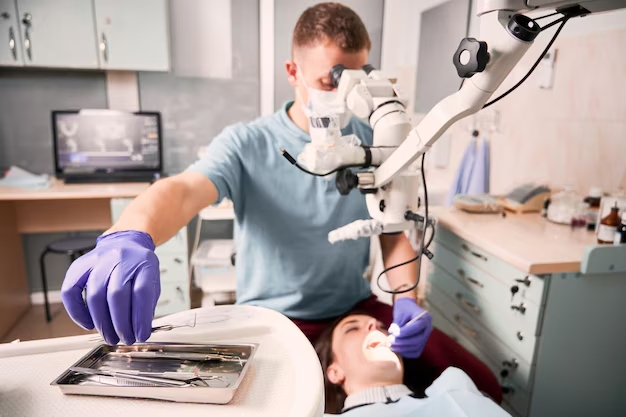
Sudden gum pain or swelling can be alarming, especially when it appears overnight. At Eccleshill Dental Bradford, one of the most common urgent problems we treat is a gum abscess, often described by patients as a “gum boil.” While painful, these infections can be treated safely and effectively with timely professional care.
As a private dentist Bradford residents trust, we regularly help patients manage urgent gum infections while protecting their long-term gum health.
What Is a Gum Abscess?
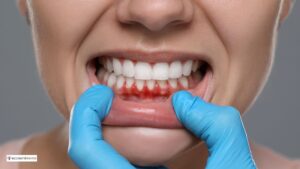
A gum abscess is a bacterial infection that leads to a pocket of pus forming within the dental gum. It often appears as a swollen, tender lump and may cause a bad taste if it drains.
Types of Gum Abscesses
● Gingival abscess – affects surface gum tissue, commonly due to trapped food
● Periodontal abscess – develops deeper near the tooth root, often linked to underlying gum disease
What Causes a Gum Abscess?
Common causes include:
● Poor oral hygiene and plaque buildup
● Food debris trapped under the gum
● Injury to the gum tissue
● Complications after dental treatment
● Untreated gum disease
While many patients try gum disease treatment at home, professional care is essential once infection develops.
Signs and Symptoms of a Gum Abscess
● Painful swelling or gum boil
● Red, tender gums
● Throbbing pain spreading to jaw or ear
● Bad breath or unpleasant taste
● Sensitivity when chewing
● Fever in more serious cases
Even if pain reduces suddenly, the infection may still be present.
Gum Boil vs Tooth Abscess
● Gum abscess: Starts in the gum tissue
● Tooth abscess: Begins inside the tooth pulp
A clinical exam at a trusted dental clinic is the only way to confirm the cause and choose the right treatment for gums.
How Dentists Treat Gum Abscesses?
At Eccleshill Dental Practice – our treatment include:
1. Draining the infection
2. Deep cleaning of the gum area
3. Antibiotics when necessary
4. Treating any underlying gum disease
5. Follow-up care to prevent recurrence
Patients searching for the best dental clinic near me often choose us for our calm approach and clear communication.
No. Gum abscesses do not fully heal without professional treatment. Delaying care increases the risk of infection spreading to nearby teeth or bone.
If you’re reading Bradford urgent dental centre reviews and looking for urgent care, early treatment is always the safest option.
What You Can Do While Waiting for an Appointment
● Rinse gently with warm saltwater
● Use over-the-counter pain relief if suitable
● Avoid pressing or popping the abscess
● Keep the area clean with gentle brushing
These steps can help comfort, but they are not a replacement for dental treatment.
As a dentist in Bradford taking new patients, we offer timely care for urgent gum problems.
Gum Health Support
If you’re experiencing a gum abscess or recurring gum infections, professional care is essential.
Learn more about our dental hygiene and gum health treatments here:
👉Explore our gum health and hygiene treatments: Visit HERE
Gum disease often develops slowly and painlessly, which is why many people don’t realise there’s a problem until damage has already occurred. At Eccleshill Dental Bradford, we help patients protect their gum health through early diagnosis, education, and personalised care.
Untreated gum disease can lead to serious complications, including tooth loss and recurring gum abscesses.
What Is Periodontal (Gum) Disease?
Gum disease is a chronic infection of the tissues supporting the teeth, caused by plaque and bacteria. It affects the dental gum and, in advanced stages, the jawbone.
Stages of Gum Disease
Gingivitis – early and reversible
Periodontitis – advanced stage causing bone and tissue loss
Common Causes of Gum Disease
Inadequate brushing and flossing
Smoking or tobacco use
Irregular dental visits
Medical conditions such as diabetes
Genetic factors
Although many patients attempt gum disease treatment at home, professional care is essential once gum pockets form.
Signs and Symptoms of Gum Disease
Bleeding gums when brushing
Persistent bad breath
Gum recession
Tender or swollen gums
Loose teeth
If you’re searching online for gum disease treatment near me, these signs should prompt a professional assessment.
How Gum Disease Can Lead to More Serious Problems
Advanced gum disease creates deep pockets around the teeth, allowing bacteria to thrive. This can lead to:
Periodontal abscesses
Tooth loss
Jawbone damage
In severe cases, surgical procedures such as gum graft surgery may be recommended to restore lost tissue. Patients often ask about gum graft near me, and we guide them through all appropriate options.
If you’re searching for the best dental clinic near me, our patient-centred approach makes us a trusted local choice.
When Should You Book a Gum Health Assessment?
Bleeding gums
Persistent bad breath
Gum recession
Loose teeth
Family history of gum disease
Early intervention can prevent the need for more complex procedures later.
Support for Healthy Gums
Healthy gums are the foundation of a healthy smile. If you’re concerned about gum disease or looking for effective treatment for gums, our dental hygiene team is here to help.
👉 Explore our gum health and hygiene treatments: Visit HERE
You might think, “If there’s no pain, everything’s fine,” but your mouth can whisper warnings long before pain screams. Skipping regular dental checkups is one of the easiest ways to let minor issues grow into major ones. Below are twelve subtle signs your teeth (and gums) may be quietly signaling: it’s time for a dental checkup.
1. Your Gums Bleed with Gentle Flossing or Brushing
Bleeding gums doesn’t always mean you are doing something aggressively wrong. Often, they’re the first hint of gingivitis — the mild, reversible form of gum disease. If flossing or brushing gently (not aggressively) causes your gums to bleed on a regular basis, that’s your mouth asking for a professional exam and deep cleaning.
Why this matters: untreated gum disease may progress and threaten underlying bone and overall oral health.
2. Persistent Bad Breath That Doesn’t Agree with Mouthwash
We all get occasional bad breath, especially after garlic or onions. But when foul odor lingers, even after brushing, flossing, and rinsing, it could suggest bacterial buildup below the gum line, decayed areas, or hidden pockets of infection.
If “minty gum + strong mouthwash” still doesn’t mask persistent bad breath, it’s a red flag to schedule a dental checkup near me.
3. Teeth Feel Slightly Rough or Gritty Later in the Day
Your teeth should feel relatively smooth when you run your tongue over them. If you start noticing rough spots, uneven texture, or gritty residue even after brushing, plaque may have hardened into tartar (calculus).
Tartar is stubborn and can’t be removed by brushing alone. Only a professional cleaning during a dental checkup can safely remove it.
4. You Spot Faint Discoloration or Pale Spots
Sometimes early decay doesn’t hurt, it shows subtly. Tiny white spots, faint grayish patches, or slightly yellowed edges could all hint at demineralization or enamel wearing. These are early signals that some action is required, before cavities deepen.
A dental checkup helps your dentist detect and possibly reverse early decay before a full cavity develops.
5. Teeth Start Sensitivity to Hot, Cold or Sweets
A little “zing” when sipping hot coffee or biting into ice cream now and then isn’t unusual. But when sensitivity becomes more frequent and bothersome, even for mild temperature changes — that’s a sign the protective enamel is thinning or gums are receding.
Even though discomfort may come and go, it’s a subtle warning. In a checkup, your dentist can assess the cause — be it enamel erosion, exposed dentin, or cracks and suggest protective treatments.
6. You’ve Gone More Than Six Months (or Longer) Since Last Visit
Sometimes the biggest “sign” is simply neglect. The standard recommendation of a dental checkup every six months is not arbitrary — it balances prevention, monitoring, and cost.
If you realize it’s been a year (or more) since your last professional cleaning and exam, that alone is enough reason to get back on schedule.
7. Minor Jaw or Mouth Discomfort That Comes & Goes
You may notice a slight sensation of pain around your jaw, a bit of clicking when you open your mouth, slight achiness near a tooth once in a while, or have a feeling of “tightness” when you chew. While you may brush it aside as exhaustion or stress, these may be early signals of TMJ strain, grinding (bruxism), or bite misalignment.
A dental checkup gives your dentist a chance to evaluate your bite, muscle tension, and joint health before the issue escalates.
8. Slight Shifting or Looseness in Teeth
Maybe you have noticed that a tooth “feels different” just slightly loose, or that its neighbors feel a bit closer (or farther) than before. Changes often occur so gradually you don’t see them daily.
Such movement can stem from bone loss, periodontal disease, or trauma. Scheduling a dental checkup Bradford (if you are local) can help catch early bone or gum issues and preserve stability.
9. You Find Tiny Cracks or Chips
You don’t need to wait for a dramatic break. Tiny hairline cracks, fine lines, or micro-chipping on enamel are subtle structural signs that your teeth are under stress.
Such cracks can harbor bacteria, worsen over time, or lead to further fractures. Your dentist can spot them via examination or x-rays before they become bigger problems.
10. You Notice More Plaque or Stains Than Usual
If you notice more yellowing, or a higher buildup of deposits than before, the environment in your mouth is changing. For example, your saliva flow may have decreased, your diet changed, or your oral hygiene of brushing and/or flossing may have decreased in effectiveness.
You can completely reset your clean state with a professional scale and polish at your dental checkup, and your dentist can help advise you on making adjustments to your home routine.
11. Dry Mouth, Burning Sensation, or Unusual Taste
Chronic dry mouth (xerostomia) reduces saliva’s natural cleansing effect, leaving teeth vulnerable. You might also experience a burning tongue sensation, metallic taste, or odd mouth dryness.
These can arise from medications, systemic conditions, or dehydration but they also heighten risk for decay, infections, and gum disease. A dental checkup helps uncover underlying causes and protective strategies (e.g. fluoride gels, habit changes).
12. You Often “Forget” Toothaches or Carry Minor Discomfort
Maybe your tooth “feels off” sometimes but not enough to make you pick up the phone. Or you have learned to live with a minor ache, pinching or twinge. That’s dangerous — what starts as a whisper may become a roar (root canal, abscess).
If you find yourself ignoring small sensitivities, or telling yourself “It’ll go away,” that’s a sign: you’re overdue. Don’t wait for a bad flare-up.
Being overdue for a dental checkup is more than just neglecting your teeth. It invites:
Progression of decay: what started as faint demineralization can escalate into deep cavities or root problems.
Gum disease advancing: gingivitis can become periodontitis, causing bone loss, receding gums, and loose teeth.
Higher cost and complexity: early detection often means simpler, more affordable treatments.
Systemic health implications: oral infections influence heart health, diabetes, and more.
Comfort and quality of life issues: chewing becomes harder, sensitivity grows, and infections can cause swelling, pain, or abscess.
That’s why these subtle clues matter — because they give you a head start.
What to Expect in a Dental Checkup (So You Don’t Sweat the Unknown)
If it’s been a while, here’s what typically happens, so you know what to expect and approach your appointment with confidence:
History and Conversation The dentist/hygienist will review your medical/dental history, medications, habits (smoking, grinding), and any concerns you may have.
Visual and Tactile Exam They’ll take a look at your teeth, gums, tongue, cheeks, palace, and joints, searching for signs of inflammation, lesions, mobility, cracks, and abnormalities.
X‑rays or Imaging (If Needed) To check for hidden decay, bone levels, root structures, and inter-proximal problems.
Periodontal (Gum) Assessment Symptoms of periodontal disease will be assessed by measuring gum pocket depths.
Cleaning / Scale & Polish Removal of plaque, tartar (even below the gumline), polishing to smooth surfaces, and possibly fluoride treatment to strengthen enamel.
Discussion & Plan Based on findings, the dentist discusses your oral health status, treatment needs (if any), and preventive advice tailored to you.
Preventive Advice & Follow-Up Suggestions may include improved home-care techniques, diet tweaks, fluoride products, night guards (if grinding), or scheduling the next checkup.
Set your next appointment right away. Don’t wait — book it before you leave the clinic.
Use reminders or calendar alerts. Six months can pass quickly.
Share the “why” with family or friends. Evangelize the value of preventive visits.
Track your own subtle symptoms. Keep a journal (gum bleeding, sensitivity, etc.).
Maintain good habits at home. Brush twice daily with fluoride toothpaste, floss daily, reduce sugary foods/drinks, and avoid tobacco.
For Residents Searching “Dental Checkup Near Me” or in Bradford
If you are in or near Bradford and searching “dental checkup Bradford” or “dental checkup near me,” now you know exactly what to look for: a clinic that doesn’t just clean and fix, but watches for the subtle whispers your mouth makes. Choose a dentist who treats prevention as seriously as treatments.
Final Thoughts
Your mouth doesn’t always shout when it’s in trouble. Often, it leaves soft clues — bleeding gums, sensitivity, slight roughness — waiting for you to pay attention. Recognizing those 12 subtle signs is your first line of defense.
Don’t wait for pain to force your hand. Be proactive. If you relate to even a few of the signs above, it’s time to book that dental checkup near you.
Ecceshill Dental is committed to helping patients catch issues early, maintain healthy smiles, and ensure that visiting the dentist isn’t a source of anxiety but a source of confidence.
Maintaining a healthy, confident smile involves more than just brushing twice a day and flossing when you remember. One big piece of dental health that people often underestimate is the frequency of checkups. As dentists, especially those of us practising in Bradford, we’re often asked: “How often should I come in for a checkup?” The short answer: it depends. But there are some widely accepted guidelines, and also specific circumstances that can change what’s right for you.
In this blog, I’ll walk you through what dentists in Bradford professionals generally recommend, what factors influence how often you should see a Bradford dentist, why private dentist Bradford options might matter, and how you can work with your own dental practice to figure out the best schedule for your teeth.
What Is a Dental Checkup, and Why Is It Important?
Oral Examination: This is where a dentist (or dental hygienist) checks your teeth, gums, jaw, and often your tongue and overall mouth for signs of decay, disease, gum problems, or other anomalies.
Professional Cleaning: Even with excellent home care, plaque and tartar can build up in hard‐to‐reach places. Dental hygienists help remove those safely.
X-Rays (where justified): To catch problems under the surface—between teeth, below gums, or in the jaw—that aren’t visible in a visual inspection.
Advice & Preventive Care: Tips on how to improve brushing or flossing, dietary advice, maybe treatments like fluoride or sealants, depending on your risk.
All this helps catch issues early when they’re easier, less painful, and less expensive to treat. Regular checkups also help you maintain good oral health, which is linked to general health—things like heart disease, diabetes, and more can be impacted by oral health.
“Standard” Recommendation: Every 6 Months?
In many cases, dentists in Bradford and elsewhere commonly recommend a checkup every six months—that’s twice a year. This schedule is a kind of “middle ground” that balances prevention and practicality:
It helps ensure that decay or gum disease doesn’t go unnoticed for too long.
It allows regular cleaning so that plaque/tartar build‐up is kept under control.
It gives the opportunity to update preventive treatments or advice as needed.
For many people with reasonably good dental health and no complicating factors, six‐monthly checkups are sufficient. Private dentist Bradford clinics often follow this guideline, because it tends to work well for most.
However, “one size fits all” doesn’t truly apply when it comes to dental checkups. Some factors might mean you should see a Bradford dentist more frequently than every six months. Here are some common reasons:
Gum Disease History or Active Periodontal Issues If you’ve had gum (periodontal) disease—bleeding gums, pockets, bone loss—you’ll probably need checkups every 3–4 months to monitor, treat, and prevent recurrence.
High Caries Risk (Cavities / Decay) If you’re prone to cavities—due to diet (lots of sugar or acid), medication side effects, dry mouth, or poor brushing/flossing habits—you may need more frequent visits.
Smoking or Tobacco Use Tobacco greatly increases risk of gum disease, oral cancer, and healing complications. Dentists will usually recommend more frequent surveillance in such cases.
Medical Conditions & Medications Diabetes, for example, can worsen gum disease. Certain drugs reduce saliva flow, raising decay risk. If you have systemic health issues, your dentist in Bradford will often advise more frequent visits.
Orthodontic Work or Dental Implants If you have braces, aligners, or implants, you have extra surfaces or hardware that can trap food/plaque. Regular checkups help avoid complications.
Good but Wanting to Maintain Premium Oral Health Some people simply want to keep their smiles in top condition—no plaque, bright colour, excellent gum health. If that’s you, even if you don’t have risk factors, you might prefer going every 4 months or so.
When Less Often Might Be Okay
On the flip side, there are people who might be fine with checkups less frequently than every six months. This doesn’t mean “never”—just a more relaxed schedule under certain conditions:
You have excellent oral hygiene, minimal risk factors, no ongoing dental issues.
Your dentist has assessed you and believes you can safely stretch the interval to every 9 to 12 months.
You respond well to treatment and preventive care.
Even then, many Bradford dental practices, especially private dentist Bradford clinics, will still advise a minimum of once a year, just to stay on top of anything that might sneak in under the surface.
Differences Between NHS, Private, and “Dentist Near Me” Options in Bradford
If you’re looking for a “dentist near me” in Bradford, you’ll find both NHS and private dental practices. The frequency recommendations are generally the same in terms of what’s best for teeth, but there are differences in how you might get there:
NHS Dentists: Offers standard checkups, cleanings, and treatment. In many cases, following six‑monthly checkup guidance is standard under NHS care. However, depending on the workload, wait times, and the dental assessment, some patients may be advised differently.
Private Dentist Bradford Clinics: They often offer more flexibility—enhanced checkups, cosmetic treatments, advanced cleaning, possibly checkups more often if requested. There’s more room to customise your visit schedule. You might get more time with the dentist/hygienist, or more preventive interventions.
Dentist Near Me (Local)**: Convenience matters. A nearby dentist might make it easier to attend appointments more often. If it’s easy to pop in, many people do better with more frequent, smaller check‑ups.
Choosing the right dental checkup schedule is a partnership between you and your dental team. Here are some ideas for making that decision:
Be Honest About Your Habits and Health Let your dentist know about your diet, habits (smoking, alcohol), medical issues, medicines, and how often you actually brush/floss.
Review Past History If you have had regular cavities, gum issues, implants, or past dental problems, that’s very relevant.
Talk About Your Comfort & Budget More frequent checkups cost more (especially in private practices), and take more time. But they can prevent more severe and expensive problems later on.
Ask About Preventive Options Things like sealants, fluoride varnish, or laser treatments might help reduce how often you need invasive treatments.
Stick with One Practice If You Can Visiting the same dentist in Bradford or dental practice helps because they know your history—a huge advantage. If you switch often, you lose continuity.
Myths & Misconceptions
Since we’re talking about how often, it’s worth clearing up some myths people often believe:
“If nothing hurts, you don’t need to go.” Wrong. Many dental problems are painless in early stages. Waiting until you feel pain often means the problem is already advanced.
“My teeth are strong; I don’t need frequent cleanings.” Even strong teeth need maintenance. Plaque & tartar can be sneaky.
“Dental checkups are just about cavities.” No—they help with gum disease, oral cancer screening, jaw/joint health, overall mouth health.
“It’s a waste of money to go if nothing’s wrong.” Prevention is almost always cheaper than cure. Early surface treatments are much more affordable and less invasive than repairing damage later.
If you are considering where to go, here’s what a good dental practice in Bradford should offer during checkups:
Welcoming, professional staff who listen
A thorough examination of each tooth, gums, and overall mouth health
Clean, sterilised instruments & safe practices
Clear explanation of findings—what’s good, what needs attention
Digital/modern X-rays when needed (with safety considerations)
Guidance on home care, diet, possibly tailored treatment plans
If a practice isn’t giving you that, or rushing through checkups, you may want to consider switching to a private dentist Bradford centre that prides itself on quality and care.
Summary: What Bradford Dentists Really Recommend
For most people, every six months is a good rule of thumb.
If you have risk factors or previous dental issues, more frequent checkups (every 3‑4 or 4‑6 months) are wiser.
If you have excellent oral health and few risk factors, 9‑12 monthly checkups might be enough—but only with professional assessment.
Never wait for pain. Early signs often show before discomfort.
If there’s one thing dentists in Bradford (and beyond) agree on, it’s that regular dental checkups are your strongest ally in maintaining dental health. They catch problems early, prevent expensive treatments later, and help ensure your smile stays healthy and bright for years to come.
No two mouths are the same—so there’s no universal schedule that fits everyone perfectly. The best frequency for you is one arrived at through open conversation with your dentist in Bradford, honest appraisal of your habits, and regular feedback.
Why Choose Eccleshill Dental – Your Local Private Dentist in Bradford
At Eccleshill Dental, we believe in building long‐term relationships with patients in Bradford. We offer comprehensive examinations, professional cleaning, personalised preventive care, and flexible appointment schedules. Whether you need NHS standard care or private dentist Bradford services, we adapt to your needs.
Don’t wait for pain or problems. If it’s been more than six months since your last visit, or if any signs of discomfort have appeared, now’s a good time.
National Picnic Day at Eccleshill Dental – Celebrating Smiles and Sunshine
At Eccleshill Dental Practice, we recognise that a healthy smile is about more than teeth, it’s also about happiness, self-confidence and community. This is why we were excited to celebrate National Picnic Day with our fabulous dental team here in Bradford, it was a day of sunshine, laughter and camaraderie, which emphasised how important it is to take time out to recharge so that we continue providing the best dental care to our patients.
However, this celebration really underlined and reflected everything we believe in as a practice, teamwork, compassion and a shared love of helping to create beautiful, healthy smiles for our community.
So if you are looking for the best dentist in Bradford, a friendly Bradford dentist near you, or, a dental team who genuinely care- Eccleshill Dental Practice is here to welcome you.
Why Team Spirit Matters in Dentistry
Dentistry is not only a skill, it is also about trust, communication, and more importantly the ability to put people at ease. At Our Dentists Bradford, we work as a close team. We support each other to allow us to give our absolute best to everyone and empower each other while we care for our patients.
On days such as our National Picnic Day reflect that when we are connected and energised together as a team, that is what will ultimately benefit our patients. Providing a happy dental team allows us to create a warm, relaxed environment for patients to feel comfortable walking through the door.
Comprehensive Dental Treatments in Bradford
Although we enjoy celebrating together outside of the practice, our number one passion is helping patients achieve healthy, confident smiles, which we get to do daily inside the practice! Eccleshill Dental Practice offers a complete range of treatments that cater to all individual needs – general, cosmetic, or restorative dentistry.
Dental Implants in Bradford – Permanent and natural-looking solutions for your missing teeth.
Crowns & Bridges – Long-lasting restorations to strengthen or replace damaged teeth.
Dentures – Customized dentures that are comfortable and help you smile with function.
Comfortable Care
We also appreciate how intimidating dental visits may be for some patients; therefore our Bradford dental practice is dedicated to providing gentle, supportive care and sedation options for patients who need that little extra reassurance.
So, how does celebrating National Picnic Day connect with dentistry? Just like a good picnic requires planning, choosing the right foods, packing carefully, and enjoying together maintaining a healthy smile also requires planning, care, and teamwork.
Here are a few lessons from our picnic that also apply to your dental health:
Balanced choices matter: At a picnic, you might mix healthy snacks with the occasional treat. Similarly, a good dental routine allows balance—regular brushing, flossing, and check-ups, while still enjoying the foods you love in moderation.
Team support makes a difference: Just as our team supported one another during fun activities, your dental team supports you in every step of your oral health journey.
Smiles are meant to be shared: A picnic is all about laughter and smiles. At Eccleshill Dental Practice, our goal is to give you the confidence to share your smile without hesitation.
Why Choose Eccleshill Dental Practice – The Best Dentist in Bradford
If you’re wondering, “Where can I find the best dentist in Bradford?” — here are just a few reasons our patients choose us:
Trusted Local Reputation – We have been providing caring and friendly dentistry to the Bradford community for many years. Comprehensive Care Under One Roof – We offer everything from regular check-ups to advanced dental treatments like dental implants or Invisalign. Patient Focused Care – We take the time to listen, explain, and tailor treatment to suit you. Friendly & Relaxed Environment – Our caring team is here to put you at ease. Modern Technology – We use the latest evidence based, safe and effective dental technology.
A Smile-Filled Picnic, A Smile-Filled Practice
Our National Picnic Day event was about so much more than just sandwiches and sunshine—it was about connection, fun, and teamwork. These values resonate with us every day at Eccleshill Dental Practice.
We want every patient to feel that connection and joy, soon as they walk through our door. A healthy smile is a happy smile, and we want to help you achieve both.
National Picnic Day 2025 – Food, Fun & Team Spirit
National Picnic Day was celebrated in June 2025, and we made the most of the sunshine with a spread of delicious food that brought everyone together. From fresh strawberries and savoury pastries to colourful skewers of tomatoes, basil, and cheese, our team enjoyed a wonderful variety of treats (as you can see in the pictures from our celebration!). Sharing food outdoors not only gave us time to relax but also reminded us of the importance of balance and enjoying life’s little pleasures, values we carry with us into our dental care every day.
Ready to Transform Your Smile?
If you have been looking for a Bradford dentist who cares, you want Eccleshill Dental Practice. Whether you want teeth whitening, invisalign, dental implants or just a check-up, a friendly team will be supporting you every step of the way.
Conveniently located in Bradford, we welcome new patients of all ages.
At Eccleshill Dental Practice we are not just about dentistry; we are about people, community and lasting smiles. Celebrating National Picnic Day in June 2025 as a practice reminded us why we do what we do because happy teams create happy smiles and happy smiles change lives.
Maintaining good oral hygiene is essential for a healthy smile, but there are also numerous myths about dental care that often confuse people. As the best orthodontist in Bradford we’d like to set the record straight. Here are some of the most common oral hygiene myths and the truth behind the myths.
There are a lot of people who think they should apply more pressure while brushing in hopes of achieving cleaner teeth. But that much pressure can thin enamel and cause gum recession. Rather, use a medium – bristled toothbrush and gentle, circular movements to effectively clean your teeth.
Using too much pressure while brushing can actually do more harm than good, according to a study by the American Dental Association (ADA), which found that it results in a greater incidence of enamel wear and gum damage. Ideally, brush twice daily for two minutes with a fluoride toothpaste.
Do you need to get expert advice on proper brushing techniques? Book an appointment with an orthodontist in Bradford based on your schedule now!
Busting Myth 2: Sugar Is the Leading Cause of Cavities
Truth: It’s not just sugar that causes cavities; poor oral hygiene does, too.
Although sugar is known to cause tooth decay, it is all due to plaque buildup from poor hygiene. Bacteria in the plaque feed on sugar and secrete acids that corrode enamel. Yet even foods such as bread, pasta and fruits can increase the risk of cavities if teeth are not properly cleaned.
Cavities develop due to a combination of diet, oral hygiene and saliva production, a report by the British Dental Journal explains. Visiting an Orthodontist Bradford, UK can help prevent cavities.
Most people think they’re too old for braces. Braces in Bradford is possible at any age. There are many options available, clear aligners and ceramic braces are popular modern orthodontic treatments that can be great for adult patients looking for a straighter smile.
Orthodontic treatments have advanced so much that achieving straight teeth later in life is more viable than ever; research indicates that almost a quarter of orthodontic patients are adult.
Myth 4: You Only Go to the Dentist When You Feel Pain
Truth: Regular check-ups prevent dental issues before they start..
Pain is usually a late manifestation of dental disease. Regular clinic visiting can help identify the early signs of cavities, gum disease, and misalignment and can help prevent costly treatments down the road if action is taken early.
According to a study done by the National Health Service (NHS), regularly visiting the dentist decreases the probability of serious oral problems by 60%.
Worried about your oral health? Schedule an appointment with the best orthodontist bradford today! Click here.
Myth 5: White Teeth Mean Healthy Teeth
Truth: Teeth color doesn’t always indicate health.
Most people think that white teeth equal strong teeth but that isn’t always the case. Stains cause discoloration, while cavities and gum disease can be present in technically white teeth. At Eccleshill Dental Bradford, UK, braces from our orthodontist can help to assess the overall dental health.
Myth 6:You Don’t Need to Floss If You Brush Your Teeth Well
Truth: Flossing gets plaque from spots that your toothbrush can’t reach.
Brushing does a great job at cleaning the surface of your teeth, but no other option, like toothpaste, can remove debris and plaque between them other than flossing. This prevents gum disease and bad breath.
According to a study conducted by the Journal of Clinical Periodontology, individuals who floss daily have 40% less gum disease than those who don’t.
Myth 7: DIY Teeth Straightening Methods are Effective
Fact: Professional orthodontic treatment is the only safe and effective option.
Social media is awash with DIY teeth-straightening hacks, but these practices can cause havoc. It is always ideal to consult a certified orthodontist for teeth gaps for safe and reliable solutions.
English researchers wrote a case study in the British Dental Journal that described patients who attempted DIY orthodontic treatment severely damaging their teeth — and then having to pay for expensive repairs.
Myth 8: Braces Hurt and Are Years in the Making
Fact: Orthodontics have advanced a lot in both comfort and efficiency.
Thanks to modern medicine, orthodontic devices are now some of the most comfortable treatments available. The latest braces and aligners work much more efficiently than their predecessors and can often cut treatment time substantially. Seek an expert and book an appointment with your orthodontist in Bradford to know the best option for you.
Considering getting your teeth straightened? Call today to the best orthodontist in Bradford! Book now.
Myth 9: Mouthwash Replaces Brushing
Truth: Mouthwash is an adjunct, not a stand-in.
Mouthwash freshens breath and kills bacteria, but it does not remove dental plaque the way brushing and flossing do. It is to be used as a next step in your oral care regimen, not in place of it.
Myth 10 — Orthodontics Are Only for Cosmetic Reasons
Truth: Braces and aligners enhance both appearance and function.
Not only aesthetics improve, but orthodontic treatments are also vital to correcting bite issues, alleviating jaw pain, and achieving overall better oral health. Consult your emergency orthodontist in Bradford for more information.
Ready to smile more healthy? Get in touch with our staff for professional orthodontic treatment plan in Bradford! Book an appointment.
Final Thoughts Oral health myths can threaten your smile. The healthiest confident smile comes from taking care of it with advice from the best and going to the dentists regularly. Don’t delay if you are thinking about straightening teeth with braces in Bradford.
Book Your Appointment — Book an orthodontist appointment at Eccleshill Dental in Bradford now and get started with your dental needs. Book now.
Composite bonding is a cosmetic dental procedure used to improve your smile by fixing and reshaping a tooth or numerous teeth with a tooth-colored resin material. Gentle whitening is a fast, non-invasive, and painless procedure that helps with any kinds of dental aesthetics like chipped, discolored, or uneven teeth.
Unlike veneers or crowns, composite bonding requires minimal tooth preparation, so is perfect for those looking to enhance their smile with a low-cost treatment in the least amount of time. The entire process takes one visit, and the result can lasts for years with good maintenance.
This process is ideal for those who desire a more natural-looking remedy for subtle issues with their teeth without resorting to more invasive treatments. So, if you live in Bradford and need a dentist for refashioning your teeth then composite bonding may be just the answer if you’re looking for thebest Bradford composite bonding dentist!
Composite Bonding while this has several benefits, the most appealing side of this treatment is the fact that it is highly aesthetic and effective.
Your front teeth are the most visible part of your smile, and even the slightest imperfections can affect your confidence. Composite bonding on front teeth is a great treatment to restore symmetry and brightness to your smile in an effective and quick way without the need for veneers or crowns.
Because front teeth are more susceptible to small chips and stains, composite bonding can be used to treat these teeth as well for their appearance. The procedure includes applying a thin layer of composite resin to the tooth’s surface, shaping it to the required structure and curing it with a specialised light.
If you are looking to make small adjustments to the appearance of your teeth, composite bonding may be your new best friend, as it won’t replace the need for orthodontics, but it can make you look like your teeth are straighter by hiding small misalignments. If your teeth have slight gaps or jagged edges, composite bonding can make your smile more even without using braces.
But in cases of more severe alignment issues, braces or clear aligners may be necessary. Your dentist may evaluate your teeth and suggest a suitable solution for your needs.
How Long Does Composite Bonding Take?
Composite bonding can last depending on oral hygiene, lifestyle choices, and regular dental checks. Composite bonding for teeth has an average lifespan of 2 to 7 years; however, touch-ups or replacements may be appropriate after the composite bonding becomes worn over time
If you want to know how to help prolong the life of your composite bonding, here are some tips:
Do not bite on hard foods or objects
Brush and floss your teeth regular for optimal oral hygiene
See your dentist for regular 6 month check-ups and professional cleanings
Disable smoking and over consumption of stain forming foods or drinks, including coffee, tea and red wine
Composite Bonding with Receding Gums
Receding gums can leave tooth roots exposed, resulting in sensitivity and an uneven gum line. Receding gums can be treated with composite bonding to cover the exposed areas, which helps reduce sensitivity and improve the appearance of the smile overall.
Gum recession can happen because of age, aggressive brushing, or gum disease (gingivitis or periodontitis). If left untreated, it can lead to more serious complications, such as tooth loss. Dental composite bonding allows you to add a protection layer to your teeth while ensuring other benefits for your smile.
Composite Bonding Shades: How to get a perfect match
Composite Bonding materials have the most natural-looking outcome available in numerous shades, and many dentists can match the composite resin to your own teeth. This helps achieve a great balance and a more realistic finish.
Your dentist will choose the ideal color to match your natural teeth. This level of attention ensures that the bonded teeth blend naturally with your existing teeth, enhancing rather than overpowering your smile.
A Simple Solution: Teeth Bonding for Gaps
Tooth bonding for gaps is a great alternative for people who have gaps between their teeth but do not want to go through orthodontic treatment. This composite material is bonded to the sides of the teeth to close small gaps, instantly improving alignment.
Unlike braces or aligners — which can involve months of treatment — composite bonding produces instant results. Therefore, it is a popular option among those wanting a fast and effective way to improve their smiles.
How Much Is Composite Bonding?
Composite bonding prices can vary depending on how many teeth are treated, the complexity of the case and the experience of your dentist. Composite bonding costs in the UK: Between £249 and £385 per tooth.
Composite bonding is much cheaper than veneers or crowns, but still provides amazing results. For a better estimate, consult with a best composite bonding dentist in Bradford for a personal quote.
Explaining The Procedure Of Getting Dental Composite Bonding
Consultation: The dentist will examine your teeth and discuss the expected results.
Tooth Preparation: Little to no tooth preparation is needed.
Application: The composite resin is applied, shaped, and molded to your natural teeth.
Curing: The resin is hardened in place by a special light.
Tooth polishing: The teeth are polished for a shiny, natural look.
It takes place in one appointment, which is a great choice for busy people.
Why Choose Composite Bonding?
Time Efficient: Many procedures are performed in just one appointment.
Painless: No drilling or anesthesia necessary.
Inexpensive: A budget-friendly means of achieving a similar effect to veneers and braces.
Reversible: While you cannot remove the veneer, composite bonding can be trimmed (smoothed) or removed altogether, if required.
Natural Look: Color can be customized to match your teeth perfectly.
Make Your Appointment For Composite Bonding Now!
If you want to find the best composite bonding dentist in Bradford, look no further than our expert team at Eccleshill Dental. Get started on your procedure and book your consultation on the same day at Composite Bonding!
Oral care is among the vital aspects of overall health. Good oral health boosts your confidence and inevitably paves the way toward a more healthy lifestyle. Preventive dental care is a process toward a lasting oral health regimen. Medical professionals increasingly recognise in Bradford that they can prevent all oral concerns before they even set in, and this helps everyone from kids to elders.
What is Preventive Dental Care?
Preventive dental services mean those measures and practices that avoid dental ailments such as cavities, gum disease, and tooth loss. By regularly visiting your dentist and practicing proper dental hygiene at home, you can save yourself a fortune in costly and complicated treatments instead.
Routine Dental Check-ups: A Vital Component
Routine dental check-up is among the most important aspects of preventive dental care in Bradford. Regular dental exams help in detecting problems early, as they are easier and cheaper to treat. Dentists recommend you to visit for a general dental exam every six months. These visits are essential for:
Tooth cavity detection: Dentists use X-ray, and visual examination processes for detection of cavities before they lead to severe destruction.
Screen test for oral cancer: Oral cancer is generally neglected, but regular checks can catch it early in its development.
Gum disease prevention: With undetected gum diseases, a loss of many teeth can happen. Dental examinations are significant in the identification of early gum problems, allowing prompt treatment.
The next question that may come to your mind is, “Why should I visit for routine dental check-ups, as I am not suffering from any pain?” The answer is simple: Many oral health issues are painless at the very start of their development. By the time you notice them, cavities or gum disease may have progressed to a more advanced stage and become costlier and more difficult to treat. Routine visits give your dentist a chance to catch problems early—before they progress to more serious stages.
Teeth Cleaning Bradford: Keeping Your Teeth and Gums Healthy
Aside from routine physical examination, cleaning of the teeth is an integral part of preventive oral care. Despite maintaining good oral hygiene practices at home, no one is able to remove all plaque and tartar from his or her teeth. During a professional teeth cleaning in Bradford, a dental hygienist will:
Remove plaque and tartar buildup
Polish your teeth to remove surface stains
Floss and clean areas that are difficult to reach with a toothbrush.
Teeth cleaning not only helps maintain a bright smile and keeps your mouth fresh but also is good as a preventive measure against gum disease since any plaque buildup near the gums would end up with inflammation, infection, and ultimately gum disease if not cleaned and treated as warranted.
Dental Hygiene in Bradford: Your Role in Oral Health
While regular visits to the dentist are essential, home care is equally important. It is necessary to brush twice daily with a fluoride toothpaste and floss once a day to keep plaque from accumulating and ensure the teeth and gums are kept in good health. Besides this, pay attention to your diet: one way to lessen the chances of cavities forming is to cut down on sugary snacks and drinks.
Preventive Dentistry in Bradford: A Long-Term Investment
Preventive dentistry, as an investment one makes over time, allows one to save time and money while enjoying life. In Bradford, preventive dental services are available through various degree dentists whose services are meant to encourage you to retain good oral health.
Oral Health Education in Bradford: Knowledge is Power
It becomes an important component in preventive dental care. With the knowledge of how to take care of teeth and gums and the signs of possible issues, a person’s interest in taking charge of his oral health grows. Many dental practices in Bradford offer education on:
Proper brushing and flossing techniques
The effects of diet on oral health
How to prevent tooth sensitivity and decay
By educating yourself and your family, you can help prevent oral problems and promote healthier habits for life.
One of the most common oral health problems in Bradford and across the globe is gum disease or periodontal disease. It starts with gingivitis, a mild form of gum disease characterized by red, swollen, and bleeding gums. If left untreated, this can progress into more severe forms of gum disease that lead to tooth loss and other health issues. Preventing gum disease and maintaining healthy gums requires regular dental check-ups, as well as the right brushing and professional cleaning techniques.
Conclusion: Make Preventive Dental Care a Priority
Preventive dental care is one of the best ways to keep your smile healthy and shining for years to come. In Bradford, routine dental check-ups, teeth cleaning, and oral health education all play their important roles in keeping dental problems at bay. Although by the time you’ve started having any major procedures such as corrective braces put on, you’ve already incurred the cost of time, money, and energy; with preventive dentistry, you may have completed that in a roundabout way while still maintaining your good oral health throughout your lifetime.
Don’t wait for a problem to arise—schedule your next dental exam today at Eccleshill Dental Practice in Bradford and take proactive steps toward maintaining your oral health.
Dental checkups are more than just making your teeth feel fresh and clean — they are essential preventive health care. Regular dental health examinations allow dentists to detect early signs of teeth diseases before they progress into complicated issues. Early detection helps prevent severe problems, including gum disease, tooth decay and even oral cancer.
Your overall health is closely related to your oral health. Research has shown that things like untreated gum disease is linked to more serious conditions including heart disease and diabetes. So, when you schedule a dental examination, you are taking an important first step to protect your entire health.
What is Dental Health Assessment
A dental health examination is a simple non-invasive assessment of your teeth, gums and mouth for early signs of disease or other abnormalities. It includes a few key steps:
● Visual Inspection — During a visual examination, the dentist checks for obvious signs of cavities, tartar accumulation, gum swelling or any abnormal tissue.
● X-Rays — X-rays are used to show hidden issues such as cavities in-between teeth, bone loss, or impacted teeth.
● Discussion of Dental Habits – Dentists will usually ask about your brushing, flossing, and diet to provide tailored advice for better mouth care. Common Symptoms That May Warn You of Teeth Diseases Numerous dental diseases are asymptomatic in the early stages of their development. A dental health examination in Bradford will enable us to identify early signs which include:
● Swelling of the Gums: Mild gum disease or gingivitis can be arrested as well as treated before it becomes an advanced kind of the illness or periodontitis.
● Cavities: Small holes in the teeth do not cause pain, so they often go unnoticed. They are detected during dental exams, prior to the requirement of more complex treatments.
● Oral Cancer: Painless red or white patches may be early signs of oral cancer.
● Bruxism: Early detection of grinding can protect teeth against damage with treatments such as night guards. Prevent these problems in their tracks by booking yourself a dental exam before they become so serious that treatment is more complex and expensive. Schedule a dental examination now!
How a Dental Health Examination Can Detect Early Signs of Teeth Diseases
Dental checkups aren’t merely a ticket to a plaque-free smile; it’s a preventative measure. Frequent examinations reveal the early signs of complications such as gum disease, tooth decay and even oral cancer, reducing your risk for serious problems. Globally, nearly 3.5 billion people suffer from oral diseases, while around 10% of the population is estimated to have severe periodontal disease according to the World Health Organization. Regular checkups are the best way to identify these risks early on and manage them to promote health. Schedule a check up now, and treat your oral health (and whole body) this year!
For more details, you can refer to WHO’s oral health information here.
How Frequently Should You See the Dentist?
Generally, medical professionals suggest a dentist visit once in every six months for a dental check-up. Of course, this can be different based on personal needs in oral health. Your dentist may recommend more frequent visits if you are at risk for particular problems.
When is the Right Time to Visit a Dentist?
Aside from preventive appointments, you should visit a dentist if you ever experience pain, bleeding gums, sensitivity or halitosis (bad breath) for an extended period of time.
Benefits of Regular Dental Health Examinations for New Patients
Are you new to dental exams? Checkups done regularly are very useful because of the following reasons:
● Avoid Future Problems: This means you can avoid expensive or complicated treatment in the future.
● Promote Strong Gums and Teeth: Regular appointments prevent gum disease and increase the likelihood that you will have a healthy set of teeth.
● Deliver Custom Care: Dentists provide customised advice for your brushing, flossing and other dental hygiene activities.
● Tooth decay: Which can be quickly treated before it turns into bigger issues.
● Periodontal Disease: Do you schedule regular dental cleanings and exams? Almost half of people 30 years and older have some form of gum disease, but it is preventable.
● Oral Cancer: When diagnosed in an early stage during a usual health examination it can be treated easily.
● Erosion of enamel: Common in individuals who consume acidic foods. But early detection and treatment can prevent further erosion.
How Much Does it Cost to Use a Private Dentist and Can You Afford It?
The cost of a private dental checkup is usually somewhere between $80 and $200, depending on clinic services. Planning on regular checkups is economical since it will save expensive care. Many clinics have low priced plans or discounts to make key services accessible.
How Much is a Dental Check-Up?
Dental checkup cost depends on your location and services included. Standard exam prices range from approximately $80 to $150, plus x-rays if necessary. Nonetheless, scheduling regular tests can prevent expensive treatment in the future (like dental filling or root canals).
Reasons to Choose a Dentist in Bradford
General and specialised dentistry, including orthodontics and paediatric care, is also available within easy reach of residents of Bradford. There are a number of benefits of choosing a local dentist in Bradford , including:
● Experienced Professionals: Highly qualified dentists and orthodontists are available in Bradford.
● Complete Services: A dentist provides a wide range of services like preventive care and cosmetic treatments.
● Convenient Availability: Most centres offer post-work hours and weekend openings to fit around the tightest of schedules.
Tips for Maintaining Oral Health Between Dental Checkups
Practising good oral hygiene between visits is essential. Here are some simple ways to keep your teeth and gums healthy:
● Brush Twice a Day: Use fluoride toothpaste and a soft-bristled toothbrush for the best removal of plaque.
● Floss daily: Flosser gets rid of particles that brushing can oftentimes overlook.
● Stay Away from Sugary Foods: Sugar promotes the development of bacteria which results in cavities.
● Drink plenty of water: Water can assist in the removal of food debris and bacteria.
● Mouthwash: An antimicrobial mouthwash helps to kill the bacteria in your mouth which will keep your breath and gums healthy.
Final Thoughts: The Importance of Good Dental Health
Regular dental health examinations in Bradford not only help you with a healthy smile but also prevent more serious oral illnesses. Diagnosing threats early helps avoid painful and costly treatments down the road. From youngsters to seniors, everyone can benefit from these routine checkups.